Fellowships Program

Lloyd and Lilian Vasey Fellowship

The Lloyd and Lilian Vasey Fellowship program is named after Pacific Forum founder, the late Lloyd R. “Joe” Vasey and his wife Lilian.

The Vasey Fellowship affords promising scholars from outside the US the opportunity to serve as researchers at the Pacific Forum to develop hands-on expertise on US-Asia policy issues and gain an appreciation of Indo-Pacific economic and security affairs and policymaking challenges.

Eligibility and How to Apply:


  • Have completed their undergraduate education and
  • Have several years of experience in Indo-Pacific security issues or
  • Have completed or are completing their graduate education (master’s or doctoral)
  • Proficient in English (verbal and written skills)
  • Must be eligible for an extended stay in the US


To apply for the Vasey Fellowship, please complete the Non-resident Vasey Fellowship online application form and include all materials listed below. All materials must be written in English. Any statement in your application that is found to be false will be grounds for disqualification.

  • A cover letter detailing interests and why the Vasey Fellowship will contribute to the applicant’s professional development
  • Curriculum Vitae
  • A letter of recommendation
  • A description of a research project to undertake as a Vasey Fellow (not to exceed 1,500 words)

Current Resident Fellow:

----

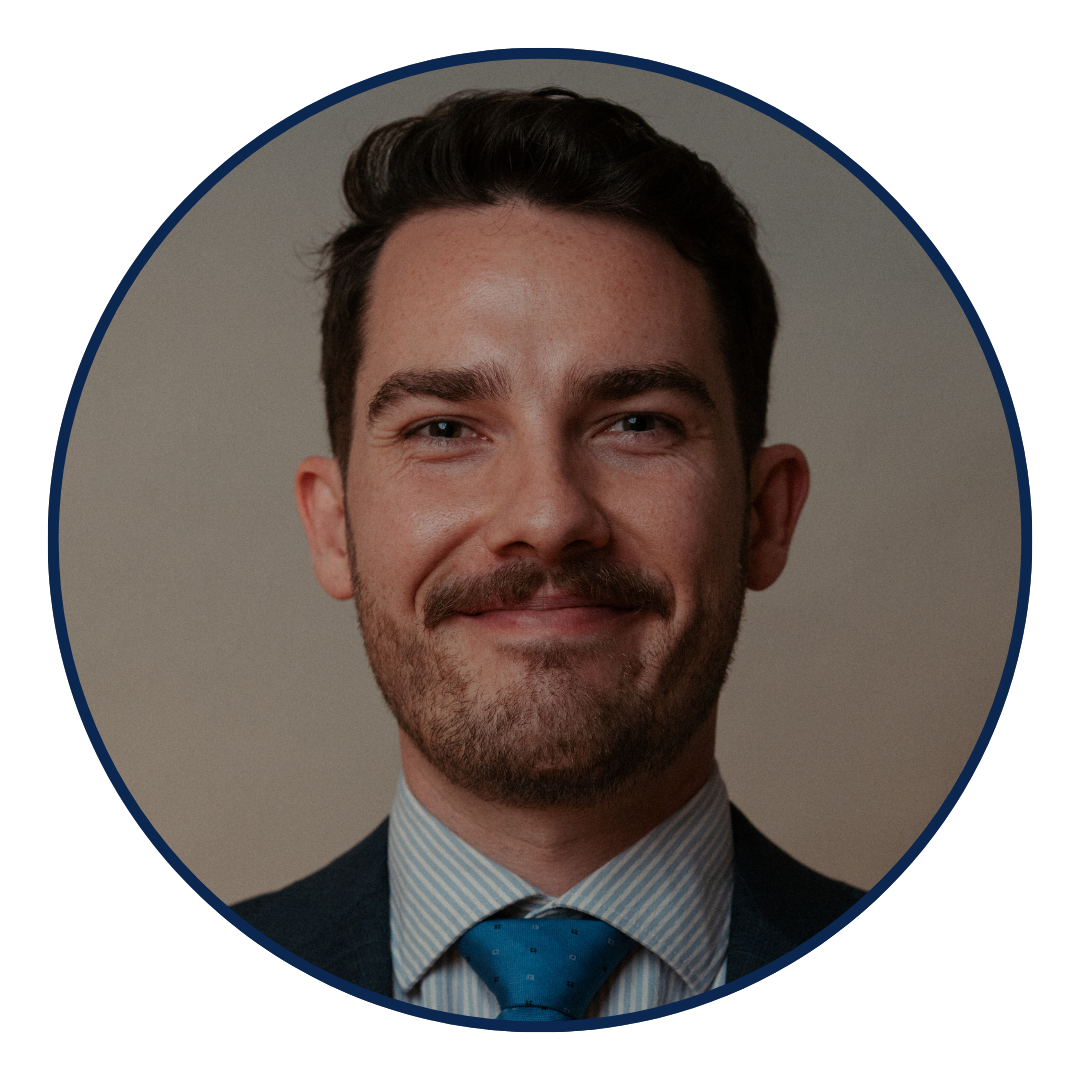
Mathias Richter

Mathias Richter is the Resident Vasey Fellow at the Pacific Forum. In 2026, he graduated with a Master of Philosophy in World History from the University of Cambridge, where he focused on Australia’s political, economic and security relationship with Papua New Guinea. Mathias previously worked as a Policy Analyst for the Australian Treasury and the Parliament of Victoria, and he holds a double Bachelor’s degree from the Australian National University in Politics, Philosophy and Economics and Arts (with Honours). His research interests centre on the Pacific and span Australian foreign policy, strategic competition, resource geopolitics and the history of international relations.